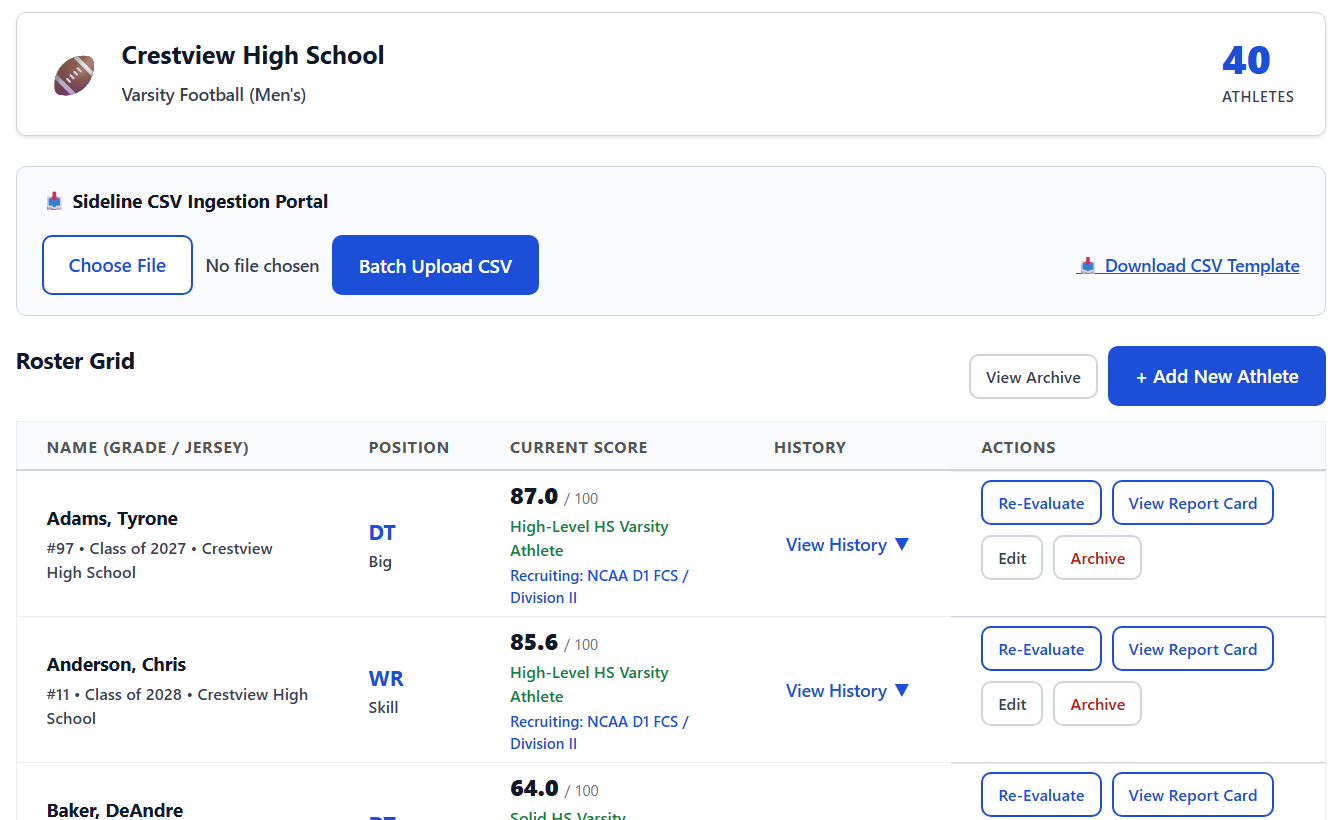
AI Augmented Design Process
This design process outlines my iterative workflow for developing the HS Sportslytics SaaS application. By treating AI as a “technical collaborator,” I maintain control over product strategy and UX while exponentially increasing the speed of the development cycle.
Tech Stack: Copilot, ChatGPT, Gemini, UX Pilot, Claude Design, Claude Code.

1. Strategic Brainstorming
-
Tooling: LLMs (CoPilot, ChatGPT, Gemini) for persona mapping and feature prioritization.
-
The Logic: I engage the AI to pressure-test my initial product assumptions. By feeding it user requirements, I can quickly map out edge cases and user journeys before a single line of code is written.
-
Objective: Define the product’s psychological “hook” and feature roadmap based on user needs.
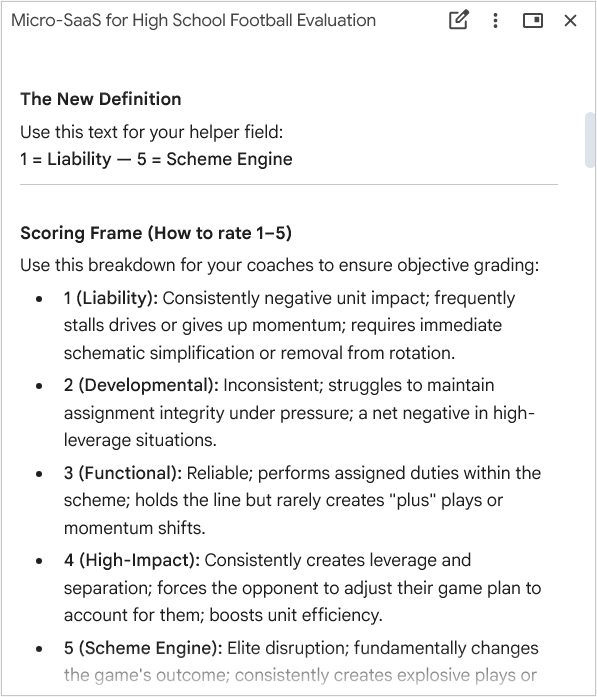
2. Visual Assets
-
Tooling: Nano Banana for rapid image generation.
-
The Logic: Instead of searching stock libraries, I generate bespoke mood boards and interface components that match the specific aesthetic of the sport-tech market.
-
Objective: Establish the visual language and emotional tone of the application early in the discovery phase.

3. UX & Interface Design
-
Tooling: UX Pilot and Claude Design for rapid mockup generation.
-
The Logic: I provide these tools with my wireframe constraints and design system. The AI generates the high-fidelity iterations, but I am the human-in-the-loop, refining the user experience and ensuring accessibility and layout logic match the branding.
-
Objective: Transform abstract requirements into navigable, high-fidelity user experiences.
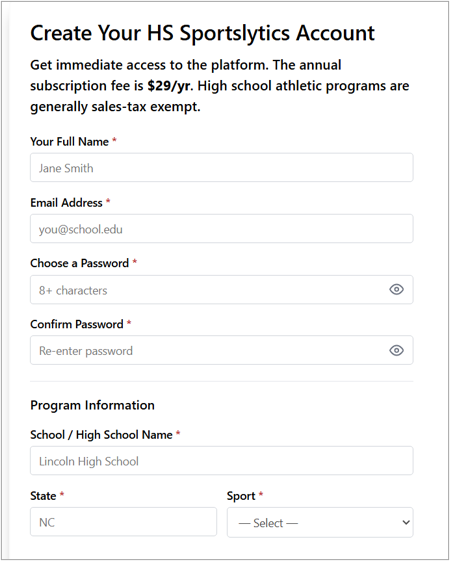
4. Technical Execution
-
Tooling: Claude Code for SaaS application development.
-
The Logic: I translate the designs into natural language prompts for the AI to draft the core application logic and data-binding structures.
-
Objective: Accelerate the build process without sacrificing clean architecture or maintainability.
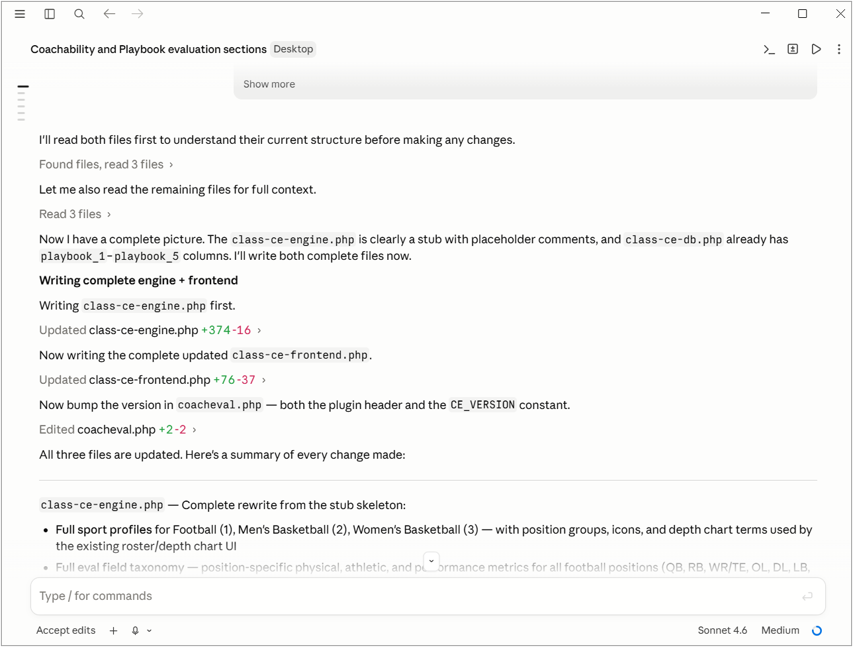
5. Human-Centered Iteration
-
Insight: AI-generated output is only as good as the human assumption behind the prompt. My process involves testing every snippet of code and every UI component against user-testing data to ensure it’s not just “fast,” but “functional.”
-
Result: A high-velocity development cycle that keeps the user at the center, ensuring that AI-generated assets always serve the overarching strategy.